On June 23, 2024, the Minister of Aviation, Festus Keyamo, posted on X about the menace of begging and extortion at our airports, especially the international airports. In the comments, I found an intriguing post by @kotosiaface17 featuring a video by @nwanyi_ocha (a Swiss-Nigerian lady) calling out the so-called security agencies at Nigerian airports. If you have ever traveled out of Nigeria, you can immediately relate. I often wonder how many people need to check your passport and ask where you are going before you can leave the country. The interesting thing is that it caught the attention of the Minister of Aviation, and it appears something is being done about this. However, questions have been raised about what it takes to garner the proper attention the prevalent ills in our society require. One such ill is the menace of police checkpoints in our society.
The Ubiquity of Police Checkpoints
Police checkpoints have become a ubiquitous part of the Nigerian landscape. They are seen on highways, in city centers, and even in rural areas. Ostensibly set up to maintain law and order, these checkpoints are often more of a nuisance than a necessity. This situation raises critical questions: What are they really there for? Why do we have to endure them? Why are Nigerians so accepting of this disruption? And most importantly, when will this docility end? It’s time we start questioning and challenging this acceptance.
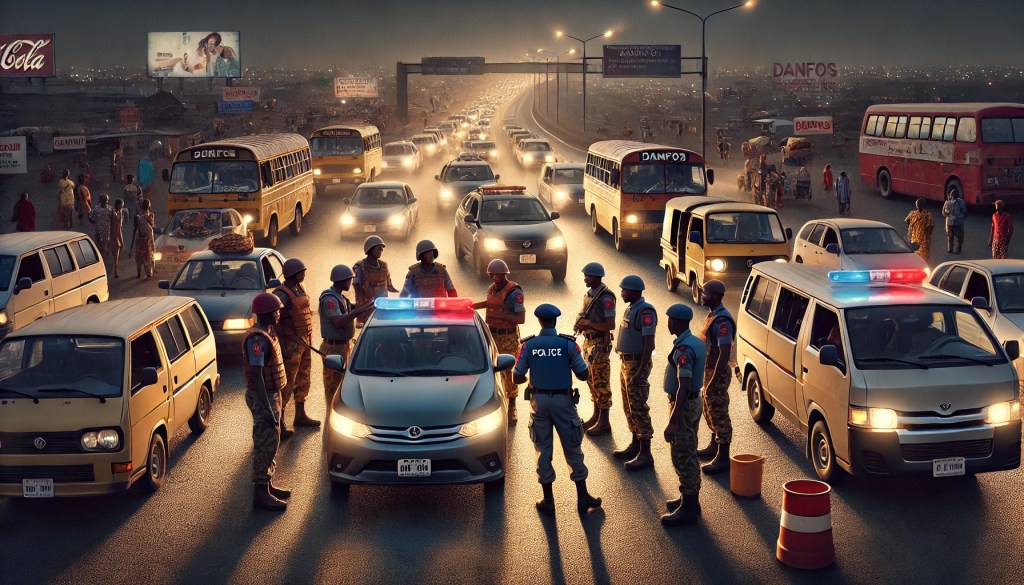
The most frustrating ones are those that pop up all over the city at night. Exhausted and sometimes tired out by the day’s events, having to endure a prolonged delay in the name of a police checkpoint is an added layer of frustration that nobody should have to bear. In the southeastern part of the country, you can often see the next checkpoint from the current one. Public transportation providers, already struggling to make ends meet, have to factor in the number of checkpoints into the fare, transferring the burden to their customers.
The Justification for Checkpoints
The official justification for police checkpoints is to enhance security by deterring crime, apprehending criminals, and ensuring public safety. In theory, these checkpoints are meant to be strategic points where law enforcement can monitor and control the movement of people and goods, thereby preventing criminal activities such as robberies, smuggling, illicit trade, and terrorism.
However, the reality is starkly different. Instead of being effective tools for ensuring security, these checkpoints often become venues for extortion, harassment, and human rights abuses. They are frequently manned by poorly trained, underpaid officers motivated by the opportunity to collect bribes from both law-abiding citizens and criminals alike. This practice undermines the very essence of the checkpoints and erodes public trust in law enforcement.
Public Acceptance and Docility
Nigerians’ acceptance of these checkpoints can be attributed to a combination of factors. One major factor is the pervasive culture of fear and intimidation. Many citizens are wary of challenging the police due to potential repercussions, which can include arbitrary detention, physical assault, or even extrajudicial killings. Additionally, there is a sense of resignation and fatalism among the populace, stemming from years of systemic corruption and inefficiency in law enforcement agencies.
A lack of viable alternatives also reinforces this acceptance. Many Nigerians believe that, flawed as they are, these checkpoints are better than having no security measures at all. This belief is a testament to the deeply ingrained distrust in the government’s ability to provide adequate security through other means. Encountering these checkpoints at night, you can actually see the resignation and acceptance on people’s faces. This should not be!
A Call for Reform: Ending Docility
The truth is that many of the things happening to us as a people happen only because we continue to accept them. The docility of Nigerians in the face of these abuses cannot continue indefinitely. It is imperative for citizens to demand better governance and accountability from their leaders and law enforcement agencies. Civic education and awareness campaigns can play a crucial role in empowering people to stand up against these injustices. Advocacy groups, civil society organizations, and the media must intensify their efforts to highlight the negative impacts of these checkpoints and push for reforms. What would happen if we had over 50 cars at a checkpoint with their drivers leaning on their horns (which Nigerians love to use) to get these officers to leave the road and allow people to move freely? It is your constitutional right! After all, they do not mount checkpoints during the day on our inner city roads; why is the night different?
Improving Security Without Hindering Movement
To improve security without hindering the ease of movement of people, goods, and services, several measures can be implemented:
Professional Training and Welfare: Investing in the professional training and welfare of police officers can reduce the incidence of corruption and abuse. Well-paid, well-trained officers are more likely to perform their duties with integrity and respect for human rights. When you interact with the average police personnel at any level, you get the sense that they do not understand their obligation to the people they have sworn to protect.
Technological Integration: Technology can significantly enhance security. Surveillance cameras, drones, and biometric identification systems can more effectively monitor and track criminal activities than physical checkpoints.
Community Policing: Building strong relationships between law enforcement agencies and the communities they serve can foster trust and cooperation. Community policing initiatives can provide invaluable local insights and support for preventing and solving crimes.
Intelligence-Led Policing: Shifting from a reactive to a proactive approach in policing can enhance efficiency. Intelligence-led policing focuses on gathering and analyzing data to anticipate and prevent criminal activities before they occur. For a country as vast and diverse as Nigeria is, investments in HUMINT and SIGINT are required to boost the security environment.
Streamlining Checkpoints: Where checkpoints are essential, they should be streamlined and operated with clear guidelines and oversight to prevent abuse. Randomized and roving checkpoints, managed transparently, can be less intrusive while still maintaining security.
Conclusion
The menace of police checkpoints in Nigeria is a symptom of broader systemic issues within the country’s law enforcement and governance structures. While the intention behind these checkpoints may be to ensure security, their current implementation often does more harm than good. By embracing technological advancements, community engagement, professional development of law enforcement, and intelligence-led policing, Nigeria can improve security without compromising the ease of movement for its citizens. By adopting a multi-faceted approach to security that prioritizes efficiency, transparency, and respect for human rights, Nigeria can create a safer, more just society for all its citizens. The time for Nigerians to end their docility and demand meaningful reform is now.
References







 DrMaestro's Blog
Leave a comment